

Sankalp Premium Destination Portal
Agra
The Epicenter of High Mughal Aesthetic Opulence, Imperial Stone Fortresses, and the World's Ultimate Monument to Eternal Love
City Structural Snapshot
The Eternal Monument: Experiencing the Zenith of Imperial Artistry
Agra is far more than a single landmark destination. It is a dense, high-contrast open-air gallery celebrating an era when a dynasty possessed limitless resources and an unmatched obsession with artistic perfection. To step into Agra is to witness the physical transformation of raw stone into poetry—a place where brutal, colossal military battlements open up to reveal delicate, white-marble royal palaces hidden within.
The city's crown jewel, the Taj Mahal, defies all expectations. Witnessing it at dawn, as the soft morning mist lifts to reveal glowing, pure-white Makrana marble, is a transformative travel milestone. This breathtaking beauty is anchored by the imposing walls of Agra Fort—a massive red-sandstone citadel where emperors ruled, launched military campaigns, and spent their final days looking out across the river at their architectural creations.
Beyond the grand monuments, Agra invites travelers to slow down and immerse themselves in its rich artistic heritage. From watching local craftsmen practice the intricate art of Parchin Kari (marble inlay work) descended from the royal court artisans, to enjoying slow-cooked Mughlai feasts under the stars, Agra offers an unforgettable taste of classic imperial luxury.
The Ultimate Wonder
The Taj Mahal stands as the global benchmark for architectural symmetry, adorned with semi-precious stones inlaid into pristine white marble.
The Red Sandstone Citadel
Agra Fort offers a sprawling labyrinth of grand audience halls, royal palaces, and deep courtyards mapping the height of Mughal military power.
The Ghost City Complex
Fatehpur Sikri sits just outside the city, showcasing a beautifully preserved, abandoned 16th-century imperial capital of sandstone courtyards.
The Jewel Box Tomb
The Tomb of Itimad-ud-Daulah, affectionately called the 'Baby Taj,' features the very first delicate drafts of extensive white marble and inlay work.
The Horizon Viewpoint
Mehtab Bagh offers a peaceful, perfectly aligned riverside garden viewpoint across the Yamuna, ideal for capturing the Taj Mahal at sunset.
Living Imperial Crafts
Home to generational artisan workshops practicing the exact marble inlay, Zardozi embroidery, and hand-knotted rug techniques of the royal courts.
Top Highlights & Monument Guide
 UNESCO Site
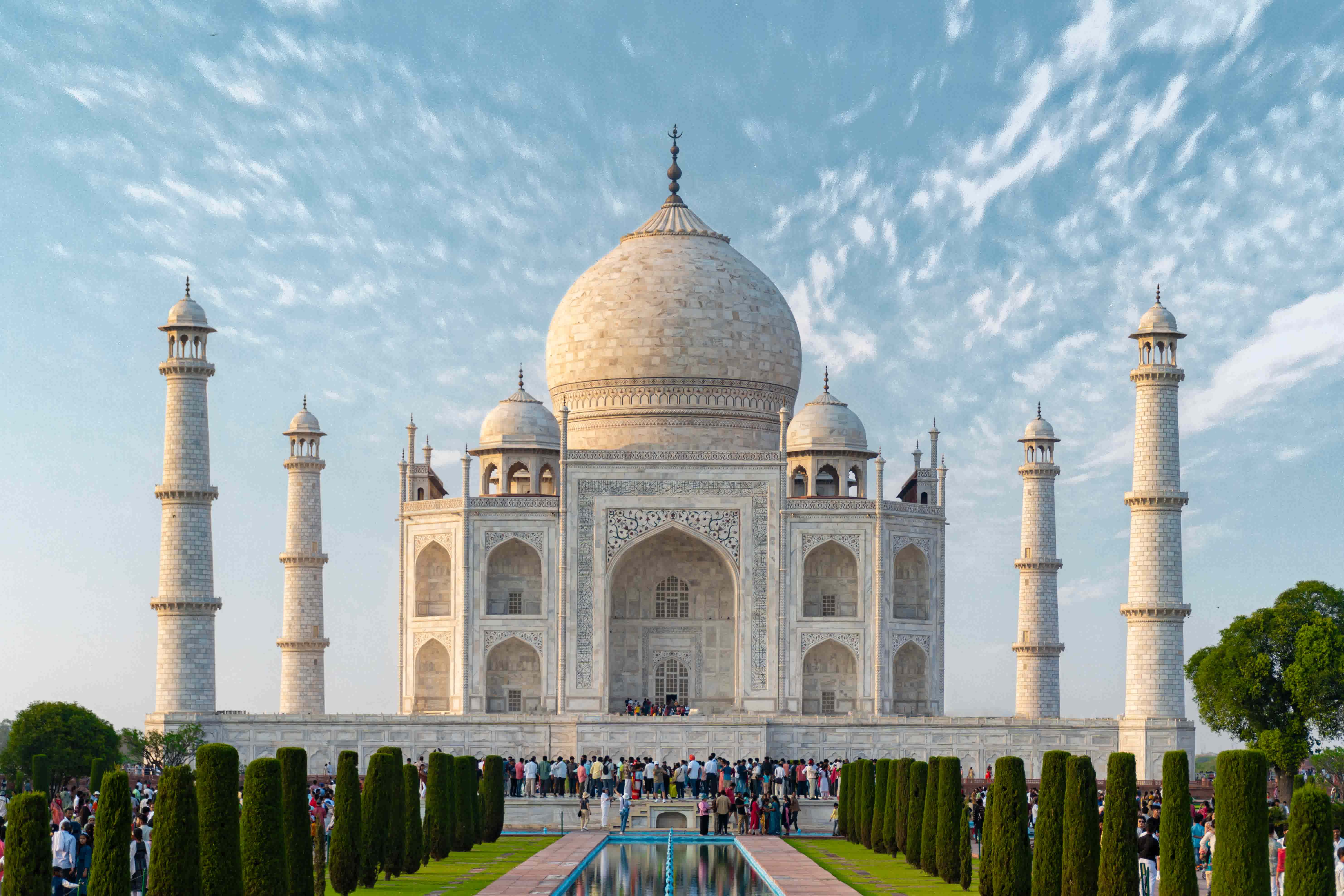
The Taj Mahal Complex
The ultimate monument to love, commissioned by Emperor Shah Jahan in 1632 for his empress Mumtaz Mahal, renowned for its absolute symmetry and glowing marble facade.
 UNESCO Site
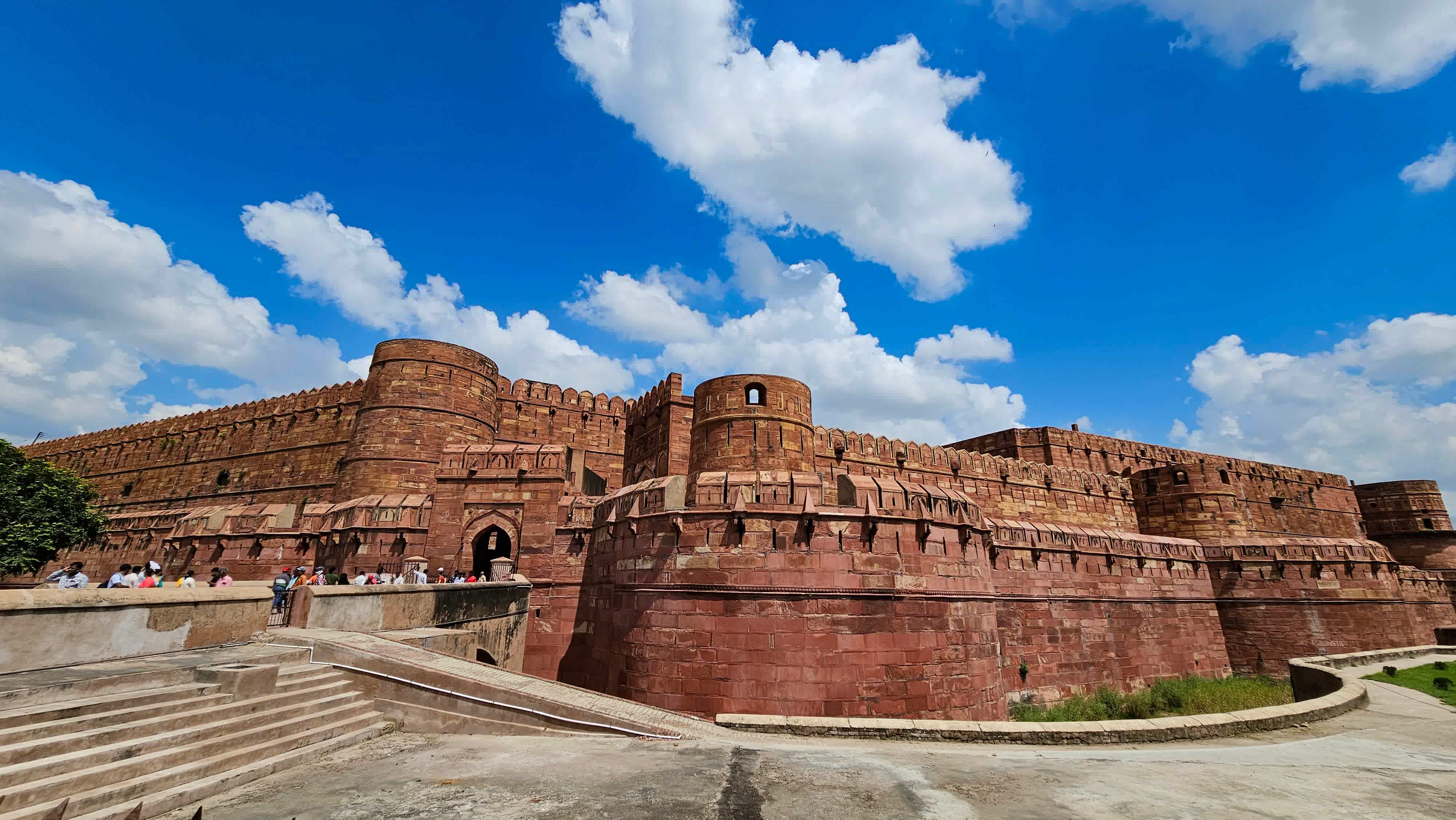
Agra Fort (The Walled City)
A massive 94-acre red sandstone fortress city containing the private white-marble quarters of Shah Jahan and the grand, open Diwan-i-Am audience pavilion.
 UNESCO Site
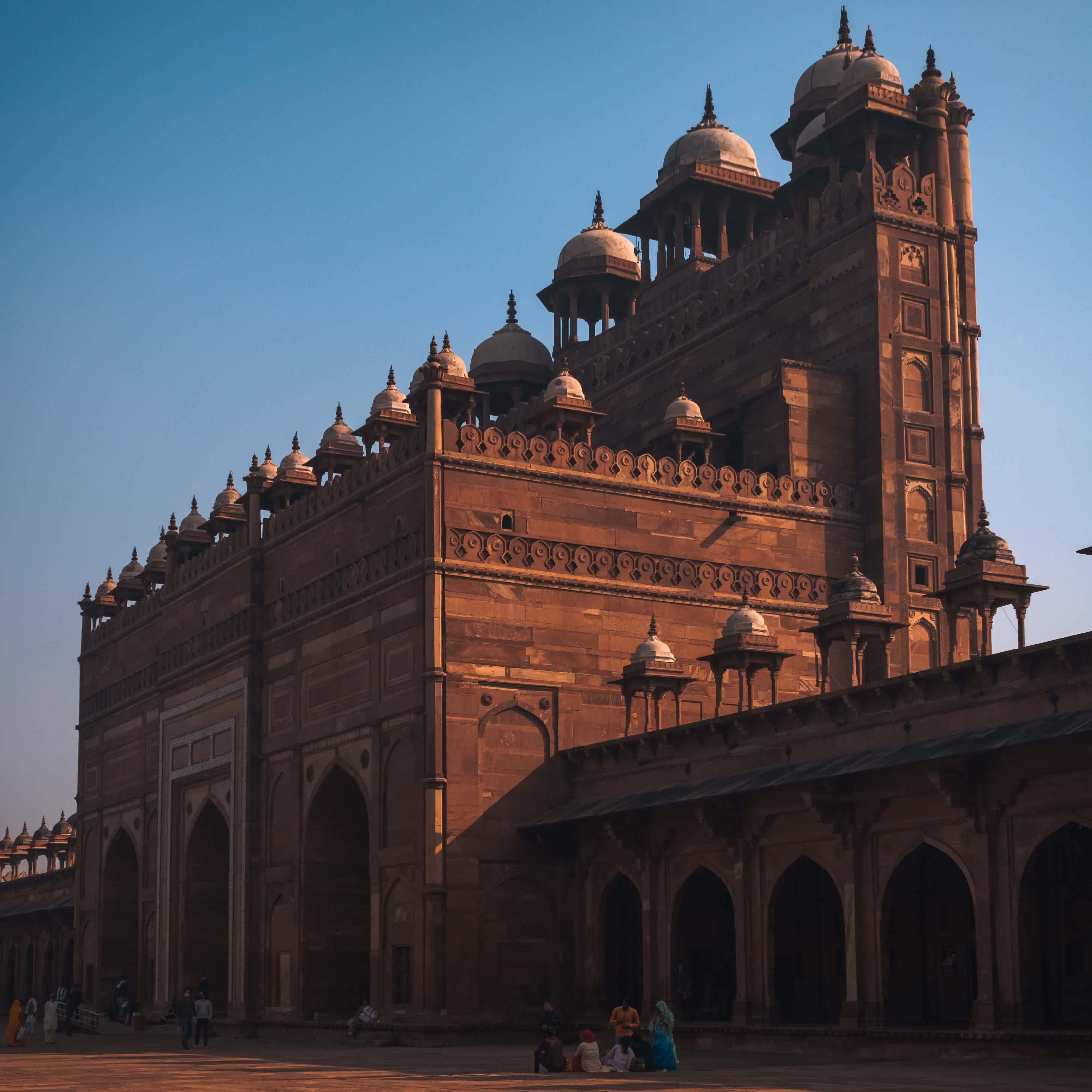
Fatehpur Sikri Citadel
An imperial city founded by Emperor Akbar in 1571, anchoring the colossal Buland Darwaza (Victory Gate) and the delicate white-marble shrine of Salim Chishti.
Best Local Experiences
Private Premium VIP Sunrise Taj Entry
An exclusive, early-access entry via the VIP fast-track lane, accompanied by a senior historian to witness the changing pastel morning hues across the marble dome.
The Behind-The-Scenes Artisan Walk
A private guided visit to the ancestral workshops of Taj Ganj to watch master craftsmen practice the delicate art of hand-cutting semi-precious stones for marble inlay.
Secret Moonlight Sunset View from Mehtab Bagh
A chauffeured late-afternoon trip to the historic gardens across the Yamuna River, capturing the dramatic reflection of the Taj Mahal in the water at twilight.
Imperial Fatehpuri Sikri Private Scholar Expedition
A day-trip excursion with an architectural scholar exploring the empty red-sandstone palaces, hidden stepwells, and ancient courtyards of Akbar's ghost capital.
Suggested Day Configurations
Select an operational duration ledger to view our field-tested staging progressions.
The Elite Day-Trip Velocity Orbit
Gatimaan Express from Delhi (08:00 AM Arrival) → Mid-Morning Taj Mahal Exploration → Luxury Hotel Lunch → Afternoon Agra Fort Walk → Evening Return Rail Sprint
Optimized for travelers short on time, utilizing high-speed rail connections to comfortably take in Agra's two most iconic UNESCO treasures in a single day.
Food, Luxury Dining & Café Guide
Curated Avant-Garde & Luxury Cafés
The Salt Cafe Kitchen & Bar
₹1,800 for twoContemporary Terrace Lounge · Artisanal Mocktails, Continental Platters & Modern Indian Fusion
Highlight: A sleek white-themed rooftop deck featuring great music and beautiful, unobstructed sunset views looking towards the Taj Mahal horizon.
Taj Nagri Phase 2 CorridorThe Taj Bano Lounge
₹3,000 for twoElegant Heritage Coffee Lounge · Single-Origin Coffees, Royal Desserts & Light Finger Foods
Highlight: A gorgeous luxury sanctuary looking out over fountains and gardens, offering the perfect spot for a relaxing afternoon tea break.
ITC Mughal EstateFine Dining & Traditional Gastronomy
Esphahan (The Oberoi Amarvilas)
₹12,000 for twoUltra-Premium Luxury Dining Room · Refined Royal Mughlai Curries & Tandoori Masterpieces
Signature Dish: Incredibly tender slow-cooked lamb shanks and rich paneer curries served over live traditional sitar music, inside a stunningly designed room of candlelit mirrors.
Taj East Gate Road OasisPeshawri (ITC Mughal)
₹8,000 for twoElite Traditional Clay-Oven Barbecue · North-West Frontier Tandoori & Rustic Flatbreads
Signature Dish: The iconic Dal Bukhara and perfectly spiced tandoori lamb kebabs, enjoyed with fresh, massive flatbreads in a rustic, open-kitchen dining environment.
Taj Ganj Hospitality CorridorThe Jhankar Pavilion
₹5,500 for twoUpscale Fine-Dining Courtyard · Classic Braj Regional Flavors & Imperial Mughlai Fusion
Signature Dish: Rich, aromatic gravies cooked with local herbs and traditional saffron-infused breads, served alongside beautiful classic live musical performances.
Taj East Gate EnclaveElite Hotel & Heritage Sanctuary Mapping
The Oberoi Amarvilas, Agra
Every single luxury room and suite offers an uninterrupted, jaw-dropping view of the Taj Mahal. Guests travel to the monument gates via private golf carts.
ITC Mughal, a Luxury Collection Resort
Set amidst 35 acres of lush gardens and historic waterways, this property features an enormous, award-winning luxury spa that captures classic Mughal design.
Taj Hotel & Convention Centre, Agra
Boasts a stunning, ultra-modern rooftop infinity pool deck that provides gorgeous panoramic views looking out towards the Taj Mahal dome.
The Trident, Agra
Built around a beautiful, central stone courtyard pool, this property offers a peaceful, family-friendly oasis with exceptional hospitality.
DoubleTree by Hilton Agra
Features spacious, modern executive rooms with great views of the monument, located within quick and easy driving distance of the main gates.
The Grand Imperial Heritage Hotel
A beautifully restored colonial heritage hotel built from historic red sandstone, offering a taste of early 20th-century royal charm.
The Luxury Shopping Blueprint
The Marble Inlay Emporiums (Taj Ganj Grid)
The definitive shopping area for finding genuine, hand-crafted marble inlay works. These pieces utilize the exact same semi-precious stone embedding skills seen on the Taj Mahal walls.
Sadar Bazaar Central Retail Market
A lively local market perfect for hunting down exceptional, hand-crafted leather goods, traditional gold-thread embroidery textiles, and boxes of authentic Agra Petha sweets.
Best Photography Signatures
Expert Parameter: Position your camera close to the water's edge on the main platform to capture a perfectly symmetrical reflection of the marble dome before the midday crowds arrive.
Expert Parameter: Use a prime lens to frame the delicate white-marble columns of the palace balcony, focusing on the Taj Mahal sitting beautifully along the river in the background.
Expert Parameter: Bring a sturdy tripod and use a long exposure to capture the soft, dramatic pink reflection of the monument in the flowing waters of the Yamuna River.
Ground Logistics & Chauffeur Standard
An incredibly efficient, fully air-conditioned premier express train connecting Delhi to Agra in just 100 comfortable minutes, complete with onboard meal service.
To protect the monument from pollution, petrol and diesel vehicles are banned within a 500-meter ring of the Taj Mahal. Guests arrive via quiet, electric golf carts.
City Distance Hub Matrix
Best Season Calibration
The prime visiting months run from October through March, offering beautiful, cool weather ideal for exploring monuments. December and January can bring heavy morning mist that creates an ethereal look but can delay sunrise views, while the summer months (April to June) bring high plains heat before the rains arrive in July.
Enter Central Monthly Micro-Data HubActive Cultural Calendars & Fairs
The Taj Mahotsav Cultural Festival
February Annual WindowA vibrant, 10-day festival near the Eastern Gate celebrating India's finest crafts, classical dance performances, and traditional culinary arts from across the country.
Nearby Day Excursions


Cross-Hub Aggregations & Featured Journeys
Content Hub Links
Luxury Rajasthan Experience Master Circuit
This comprehensive travel framework natively integrates private aviation options, certified language guide specialists, and heritage palace access maps smoothly into a synchronized booking framework.
Inspect Detailed Core Circuit Ledger →Frequently Asked Planning Matrix
No. The Taj Mahal is strictly closed to the general public on Fridays for weekly afternoon prayers. Agra Fort and other major historic sites in the city stay open seven days a week.
Sunrise is undoubtedly the best time. The morning light hits the white marble beautifully, create soft pink hues, and you'll experience much lighter crowds than the busy afternoon hours.
No. To step onto the main marble platform and enter the inner burial chamber where the cenotaphs rest, you must purchase an additional mausoleum ticket add-on costing ₹200.
Yes, but ticket counters often have long queues. We highly recommend booking your entry tickets online in advance via the official ASI portal to enjoy a smoother, skip-the-line arrival.
No. Entry is completely free at all major monuments in Agra for children under 15 years of age, regardless of their nationality.
For security and conservation reasons, you cannot bring large backpacks, tripods, drones, selfie sticks, food items, tobacco, or phone chargers inside. Stick to carrying your phone, camera, and water bottle.
Since fuel-burning cars are banned near the monument, you can ride free electric golf carts, battery-powered rickshaws, or traditional horse carriages from the parking hubs.
Yes, Mehtab Bagh (The Moonlight Garden) sits directly across the Yamuna River. It offers a beautiful, low-crowd vantage point perfect for watching the sunset reflect off the back of the monument.
The Tomb of Itimad-ud-Daulah was built in the 1620s by Empress Nur Jahan. It was the very first Mughal structure built entirely from white marble, serving as an early design draft for the Taj Mahal.
The premier Gatimaan Express train departs from Delhi's Hazrat Nizamuddin station and reaches Agra Cantt in just 100 minutes, making it a very reliable and comfortable transit option.
Yes. Night viewing is permitted for five nights each month—the night of the full moon along with two nights before and two nights after (except on Fridays or during the holy month of Ramadan).
Absolutely. Fatehpur Sikri is located roughly 40 kilometers west of Agra. It takes about an hour to reach by car, making it a great half-day excursion to add to your itinerary.
Always ensure your guide carries a valid, official photo identity badge issued by the Ministry of Tourism or the Archaeological Survey of India (ASI) before starting your tour.
The city is famous for Parchin Kari, or marble inlay work. Local craftsmen cut and polish precious stones like lapis lazuli and jasper, inlaying them into white marble just like the ancient palace walls.
You must try Agra Petha. It is a sweet treat crafted from ash gourd (winter melon), available in classic translucent styles or flavored with saffron, nuts, and mango juices.
Yes. International ticket holders have dedicated, faster entry lanes at both the Eastern and Western gates, and your high-value ticket includes a complimentary bottle of water and shoe covers.
Plan to spend at least 1.5 to 2 hours. The fortress contains expansive stone palaces, detailed carvings, and grand viewpoints that warrant a relaxed, unhurried walk.
Winter mornings in November through January can be quite chilly and crisp. We recommend wearing layers, such as a light jacket or shawl, which you can easily remove as the afternoon warms up.
Yes, but you must keep your phone on completely silent or airplane mode. Photography is strictly prohibited inside the inner room where the cenotaphs are located.
The immediate areas around the Taj Mahal gates are beautifully paved, clean, and pedestrian-only. However, exploring the older city markets is best done via auto-rickshaws due to busy street traffic.
The historic Yamuna River flows along the northern edge of the Agra Fort and right past the back of the Taj Mahal, acting as a crucial element in the original architectural design.
Tipping is a wonderful way to show appreciation for great service. A standard tip of ₹500 to ₹1,000 per day is customary for exceptional local guides and private drivers.
Yes, very safe. However, staying closer to the Taj East Gate area provides the convenience of walking or taking quick golf cart rides to the entrance for early sunrise tours.
Yes. Top-tier properties like The Oberoi Amarvilas and ITC Mughal feature spectacular, award-winning spa pavilions that specialize in traditional Ayurvedic therapies after a long day of sightseeing.
With over 25 years of trusted ground expertise across Northern India, we secure elite historians, arrange seamless luxury express rail logistics, and manage VIP fast-track monument experiences.
Let's Design Your Perfect Agra Experience
Our specialized destination architects construct custom workflows matching heritage choices, transport profiles, and verified multilingual guide alignments natively.